Senate Republicans Block War Powers Resolution Amid "Operation Epic Fury"
By The Blog Source
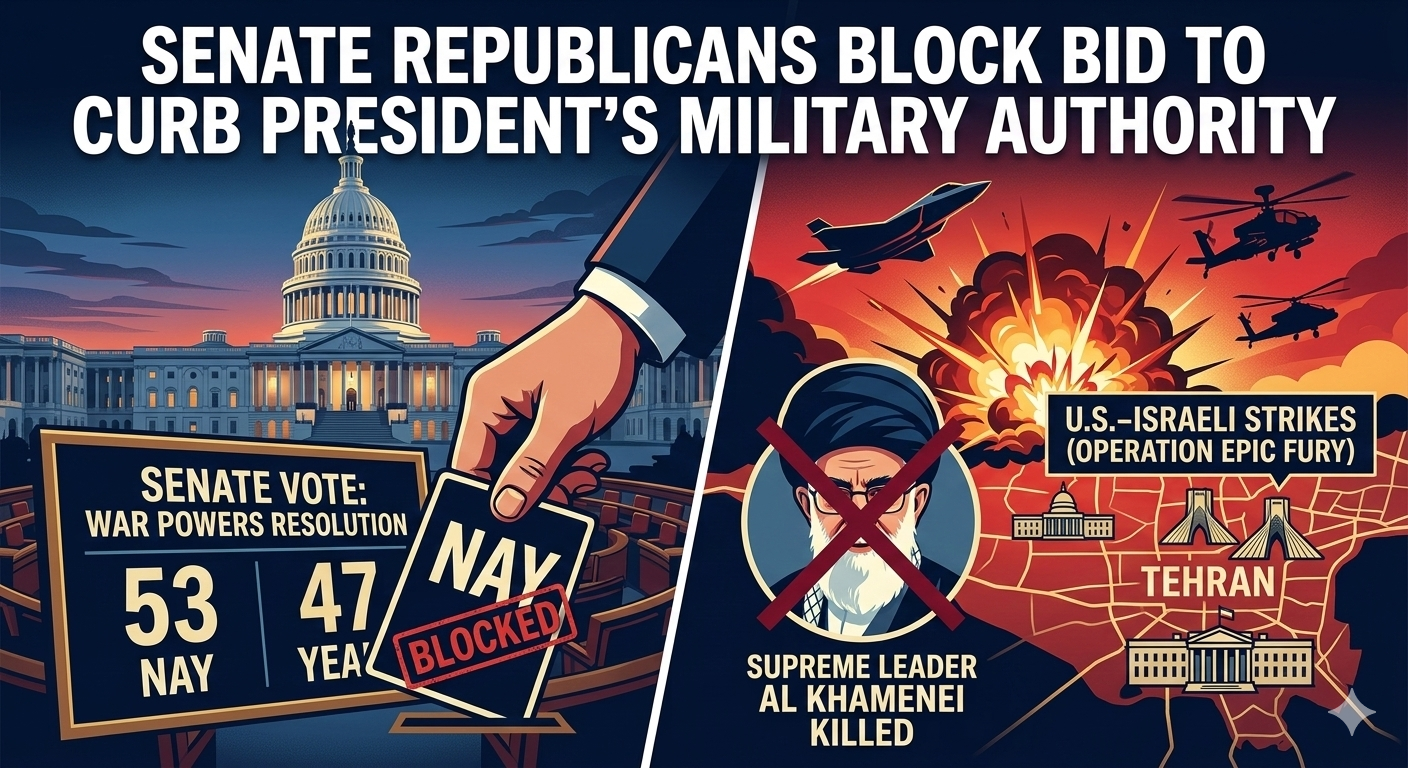
WASHINGTON—In a high-stakes legislative showdown, Senate Republicans on Wednesday defeated a Democrat-led effort to curtail President Trump’s military authority against Iran. The vote comes just days after the commencement of Operation Epic Fury, a massive joint U.S.-Israeli military campaign that has reportedly neutralized Supreme Leader Ali Khamenei and several high-ranking regime officials in Tehran.
The Senate voted 53–47 to block the war powers resolution, effectively granting the White House continued autonomy to conduct the offensive without immediate new congressional constraints.
A House Divided over War Powers
The resolution, spearheaded by Senator Tim Kaine (D-VA) and supported by Senator Rand Paul (R-KY), sought to mandate the withdrawal of U.S. The resolution mandated the withdrawal of U.S. forces from hostilities against Iran unless they passed a formal authorization for use of military force (AUMF).
The Argument for Oversight: Kaine framed the resolution as a matter of constitutional duty. "If you don’t have the guts to vote ‘Yes’ or ‘No’ on a war vote, how dare you send our sons and daughters into war where they risk their lives?" Kaine told reporters.
The Defection: The vote largely followed party lines, with a few notable exceptions. Senator John Fetterman was the lone Democrat to vote against the measure, while Senator Rand Paul was the only Republican to support it.
GOP Rallies Behind the Commander-in-Chief
Republicans argued that the early successes of the strikes—which followed the collapse of nuclear negotiations in Geneva—justified the President's decisive action. Senator Markwayne Mullin (R-OK) praised the administration's transparency and results.
"He has earned our trust just 4.5 days into this mission," Mullin stated, emphasizing that the mission has already severely degraded the Iranian regime's command structure.


Current Status of Operation Epic Fury
The military campaign began in the early hours of February 28, targeting the Supreme Leader’s compound and strategic nuclear facilities. President Trump stated the strikes were a direct response to intelligence confirming Iran’s refusal to abandon its nuclear weapons program.
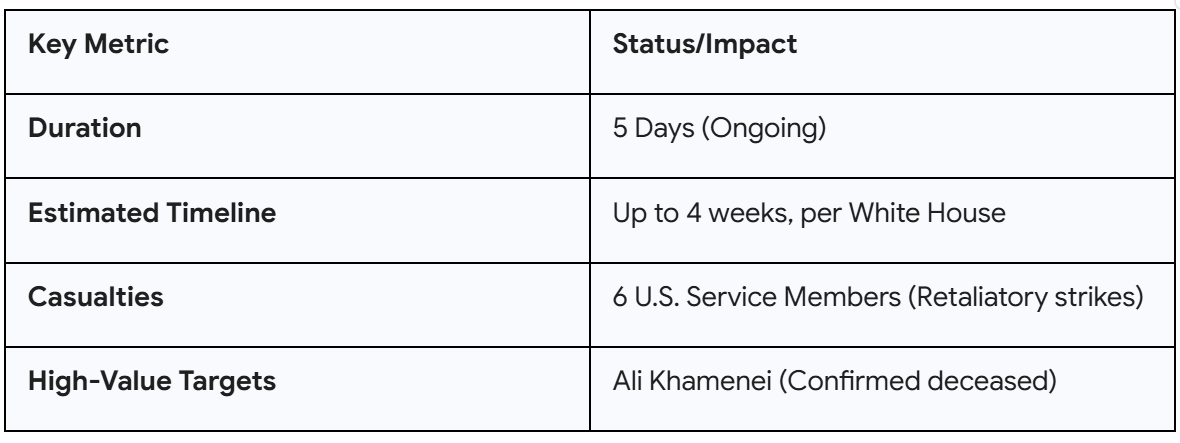
The conflict has already spilled over into the broader region, with Iranian-backed proxies launching retaliatory strikes against Israeli targets and U.S. bases in the Gulf.

Experience the ultimate restoration of your gut health with Bio-Defense. (Use Promo Code: TrumpWon for Discount.)
The Fight Moves to the House
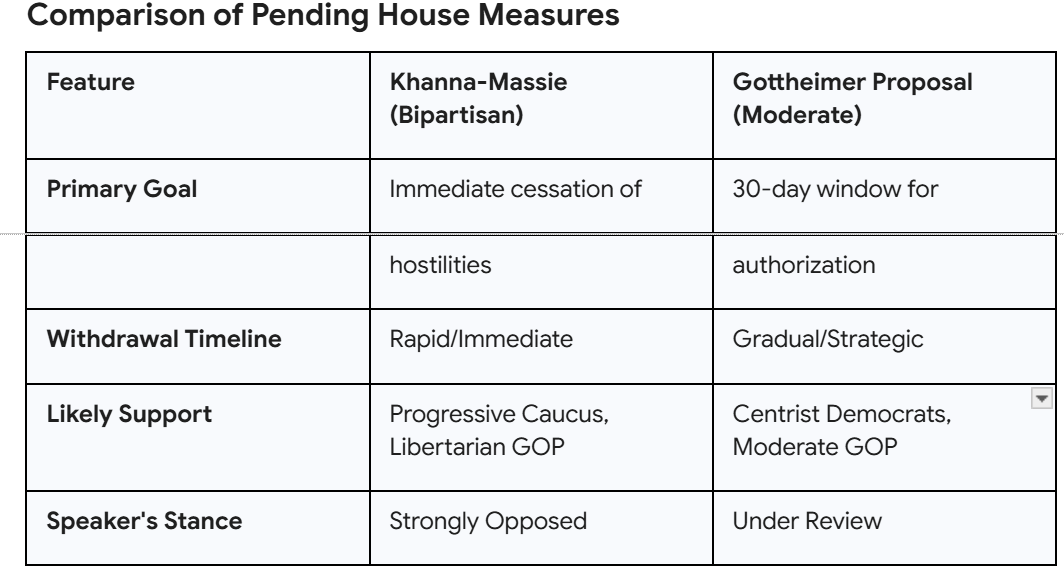
The House of Representatives will now host the debate and expects a vote on two competing resolutions:
The Gottheimer Proposal: A moderate approach giving the administration 30 days to seek authorization or wind down operations.
The Khanna-Massie Proposal: A more aggressive bipartisan measure requiring an immediate withdrawal of forces.
Speaker Mike Johnson has already signaled that the GOP has the numbers to defeat these measures, calling any attempt to strip military flexibility during an active conflict "dangerous and reckless."
For further reading on the War Powers Act and the history of U.S.-Iran relations, see the following resources:
The Senate’s 53–47 rejection of the war powers resolution has fundamentally altered the landscape for the House, turning what was once a push for constitutional accountability into a grueling test of party discipline and regional optics.

Start your day with a refreshing glass of Peach Mango Covilyte! Packed with energy, hydration, and a full spectrum of essential vitamins and minerals, it's a delicious way to fuel and protect your body.
As the debate moves to the lower chamber, three key factors will dictate the outcome of the upcoming floor votes:
1. The "Fetterman Effect" and Democratic Defections
The Senate vote exposed a significant fracture in Democratic unity. Senator John Fetterman’s "Nay" vote—the only one from his caucus—has provided a "permission structure" for moderate House Democrats to follow suit.
The "Blue Dog" Resistance: Rep. Josh Gottheimer (D-NJ) and a small group of centrists (including Reps. Jared Golden and Henry Cuellar) have already signaled they may oppose any resolution that mandates an immediate withdrawal.
The Alternative Strategy: Instead of the aggressive Khanna-Massie bill, these moderates are pivoting toward a 30-day "wind-down" proposal, arguing that an abrupt exit during active Iranian retaliation would leave U.S. troops in the region are vulnerable.
2. The Constitutional vs. Tactical Tug-of-War
Speaker Mike Johnson has successfully shifted the Republican narrative from "presidential overreach" to "military necessity." By labeling the War Powers Act as potentially "unconstitutional" in the heat of battle, Johnson is forcing House Republicans to choose between their libertarian instincts and their loyalty to the Commander-in-Chief.
The Isolationist Split: While Rep. Thomas Massie (R-KY) remains a staunch ally of the resolution, the Senate result suggests that most "America First" Republicans are prioritizing the "obliteration" of Iran’s nuclear program over procedural concerns about war authorization.
3. The Shadow of the Midterms
With the midterm elections approaching, the House vote is being framed as a "litmus test" for national security.
GOP Strategy: Republicans intend to use "Yea" votes on the war powers resolution as campaign fodder, accusing Democrats of "siding with the enemy" just days after the fall of the Iranian Supreme Leader.
Democratic Strategy: Leadership is emphasizing the "forever war" narrative, warning that without a defined endgame, "Operation Epic Fury" could become a multi-year entanglement that drains the U.S. The strategy is designed to drain the U.S. The strategy aims to deplete the U.S. Treasury and result in the loss of American lives.
The Bottom Line
The Senate’s "Nay" has drained the resolution’s momentum. Even if the House manages to pass a version of the bill, which is still mathematically unlikely, the absence of a veto-proof majority in the Senate means President Trump’s "Operation Epic Fury" will likely continue as planned for the duration of the administration's projected four-to-eight-week timeline.
Join the Inner Circle
To become a vital part of the journey, you can sign up for the Diamond and Silk Monthly Supporter Program. This program allows fans to provide ongoing support while gaining closer access to their latest updates and initiatives.
Where to Follow and Watch
You can find Diamond and Silk’s content and stay updated on the following platforms:
Video & Streaming: Catch their latest broadcasts and appearances on Lindell TV, Rumble, and Diamond and Silk Media.
Social Media & Community: Engage with them directly on Truth Social, VOCL, and ChatDit.




















Voting is one of the most powerful ways to make your voice heard in national, state, and local elections. But before you can head to the polls and cast your ballot, there’s one crucial step you must take: registering to vote.